3D design and renders transform decision-making in the creative process
3D design and renders are revolutionising architecture. The design process is constantly evolving. Each year, new technologies emerge that not only optimise the way professionals work but also respond to a growing demand for clarity and visual communication from clients. In this context, 3D design and renders have established themselves as key tools for enhancing the experience and decision-making.
Beyond their aesthetic value, these technologies provide something fundamental: peace of mind, security, and a clear vision of the final result before the project materialises.
Visualising before building: an almost real experience
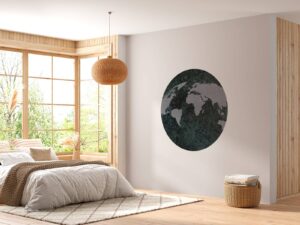
Thanks to 3D models, clients can experience a space almost as if it were already built. Realistic lighting, natural shadows, materials true to reality, and precise colour combinations allow for a highly accurate anticipation of how the finished project will look.
This visualisation capability significantly reduces misunderstandings between designer and client. Furthermore, it helps people imagine living in or using the space, which reinforces their confidence when choosing layouts, finishes, or furniture.
More conscious decisions through visual comparison
Personalisation is one of the major current trends in interior design and architecture. Clients seek solutions tailored to their style and needs. In this scenario, renders allow for clear and direct comparisons of different options: colour variations, different furniture configurations, or alternatives in space distribution.
Experts recommend presenting a limited number of variants, two or three, to avoid option overload and maintain consistent lighting configurations that allow for objective comparison. In this way, the client feels like an active part of the process and makes more informed decisions.
Clearer and more efficient communication
3D design not only serves an aesthetic function but also a communicative one. While technical plans can be complex for many clients, a realistic three-dimensional representation is immediately understood.
This translates into more productive meetings, fewer extensive technical explanations, and a quicker approval of proposals or modifications. Additionally, it increases client involvement, who perceives the project as something more tangible and closer.
Greater confidence and less uncertainty
One of the main benefits of renders is the security they convey. By visualising how materials, colours, and volumes interact with precision, the project ceases to be perceived as an uncertain gamble and becomes a well-founded decision.
This factor is particularly relevant in significant investments, such as kitchens or bespoke furniture, and in spaces where atmosphere is crucial, such as living rooms and bedrooms. Prior clarity reduces the risk of disappointment and increases satisfaction with the final result.
A strategic tool for presentation and sales
The impact of 3D design is not limited to the creative realm. Real estate agents and developers increasingly turn to renders to showcase the potential of a space before its refurbishment or construction. These visualisations not only enhance the perception of the project but also strengthen its commercial positioning.
By offering a professional and attractive image from the early stages, renders accelerate the decision-making process for buyers and investors and reinforce the project’s competitiveness in the market.
Design, experience, and connection
The growing prominence of 3D design demonstrates that the sector is no longer focused solely on aesthetics. Today, design also involves experience, transparency, and solid communication between professional and client.
The combination of realistic visualisations and clear dialogue is redefining the creative process, making it a more collaborative, efficient, and secure environment for all parties involved.
The Colegio de Arquitectos de la Comunidad Valenciana promotes the use of digital tools in design processes.
You may also be interested in: architecture project and turnkey architecture.