The future dwelling in Valencia: balance between efficiency, aesthetics and well-being
The way we live is changing rapidly. New technologies, evolving lifestyles and a greater awareness of sustainability are transforming the concept of dwelling. The apartment of the future will be smarter, more flexible and focused on comfort and well-being, a place where aesthetics, efficiency and health combine to create a harmonious and functional environment.
1. Efficient spaces that adapt to daily life
In cities, habitable space is scarce, so optimising every square metre is essential, as demonstrated by our projects. The dwelling of the future makes the most of the available area through flexible layouts and multifunctional elements.
Key trends:
- Transformable furniture: extendable tables, foldable beds integrated into wardrobes.
- Smart storage solutions that maintain order and visual tranquillity.
- Multifunctional spaces that combine work, life and leisure.
The aim is to create a home that adapts to the user and not the other way around, offering comfort without sacrificing functionality.
2. Aesthetics that convey calm, simplicity and timelessness
Minimalism evolves towards warmer and more personal forms. The apartment of the future bets on carefully selected materials and a visual aesthetic that brings harmony and comfort.
Highlighted aesthetic elements:
- Natural materials such as wood, linen and stone.
- Warm neutral colours that convey serenity.
- Timeless shapes and durable finishes that combine beauty and functionality.
The result is an interior where the design not only looks good but also functions well over time, with aesthetic choices and materials that endure.
3. Technology integrated into the home
Technology ceases to be an independent addition and is subtly integrated into the design. From energy savings to security and comfort, smart systems facilitate an intuitive and efficient domestic experience.
Common innovations in future apartments:
- Smart thermostats and energy management systems.
- Lighting that automatically adapts to natural light.
- Climate, air quality and security sensors.
- Connected appliances that simplify planning and use.
The aim is to achieve a home that is more comfortable, secure and sustainable without technology visually dominating the space.
4. Sustainability as the foundation of design
Sustainability is a central principle in the dwelling of the future. The choice of materials, energy consumption and circular solutions become essential elements.
Key sustainable features:
- Energy-efficient appliances and insulation systems.
- Use of recycled or eco-friendly materials.
- Water-saving systems in kitchens and bathrooms.
- Durable furniture that is easy to reuse.
Thus, the apartment not only benefits its inhabitants, but also contributes to environmental care.
5. Well-being as the central axis: light, air and comfort
The health and well-being of residents are fundamental. The apartment of the future considers air quality, natural light and comfort as important as aesthetics.
Elements that enhance well-being:
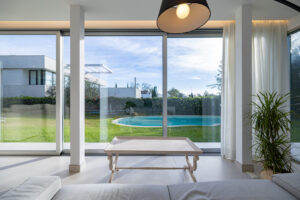
- Large windows that provide abundant natural light.
- Ventilation systems that improve indoor air quality.
- Acoustic solutions that ensure privacy and tranquillity.
- Spaces designed for relaxation and mental health.
The aim is to create a home that conveys security, calm and regeneration, a true refuge within the city.
Conclusion
The dwelling of the future combines efficiency, aesthetics and well-being, offering an innovative living experience. Through flexible designs, integrated technology and sustainable decisions, a healthier, more comfortable and harmonious home is achieved.
This approach demonstrates that interior design goes beyond aesthetics: it is a way of life that better responds to the needs of its inhabitants and the care of the environment.
The energy efficiency guidelines of the IDAE pave the way for more sustainable and comfortable homes.
You may also be interested in: climate change and architecture and eco-friendly materials.