Sustainable architecture: eco-friendly materials that are revolutionising interior design
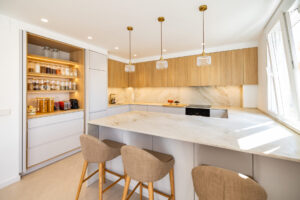
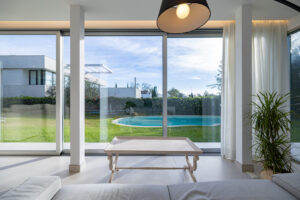
Sustainable architecture and sustainable interior design have ceased to be a trend and have become a necessity. In a context where energy efficiency, indoor health, and respect for the environment are priorities, choosing eco-friendly materials for responsible interior design is key. Opting for sustainable materials for construction and interior design is fundamental. At BTTEstudio, as an architecture and interior design studio in Valencia, we work with solutions that reduce environmental impact without compromising aesthetics, quality, or durability.

Below, we present a selection of 10 sustainable materials that are transforming the way we build and design contemporary spaces.
1. Certified wood: a staple of sustainable interior design
Certified wood from responsibly managed forests is one of the most valued materials in sustainable construction. It is renewable, stores CO₂, and provides a warm and natural aesthetic.
From load-bearing structures to cladding and custom furniture, certified wood is one of the most versatile resources in interior architecture projects.
2. Bamboo: strength, lightness, and low environmental impact
Bamboo is a sustainable material that grows extremely quickly and has strength comparable to steel. Its durability and modern aesthetic make it an ideal solution for flooring, cladding, and furniture.
Its low environmental impact and warm appearance make it an essential material in eco-friendly interior design.
3. Cork: natural insulation for sustainable architecture
Cork is harvested without cutting down the tree, making it a perfect example of a circular economy. It is lightweight, insulating, and sound-absorbing, integrating very well into sustainable interior design projects due to its organic and fully biodegradable nature.
Perfect for flooring and cladding, it also significantly improves acoustic comfort.
4. Adobe and rammed earth: renewed tradition
Earth-based construction materials such as adobe and rammed earth are making a strong comeback in eco-friendly architecture. These materials have a low carbon footprint and excellent moisture management.
Their natural aesthetic and high thermal inertia make them perfect for warm climates, including Mediterranean areas like Valencia.
5. Eco-friendly paints free of toxins
Eco-friendly paints made from minerals, clays, and plant-based pigments are essential for improving indoor air quality. By not containing volatile organic compounds, they contribute to a healthier environment.
Additionally, they offer aesthetic finishes that fit very well with natural interior design projects.
6. Natural insulation: sustainable energy efficiency
Natural insulation solutions, cellulose, sheep wool, hemp, or linen, are gaining prominence in sustainable construction. They are breathable, efficient, and have a much lower ecological footprint than synthetic insulations.
Ideal for both renovations and new-builds, they enhance energy efficiency and thermal comfort.
7. Natural stone: durability with a low environmental footprint
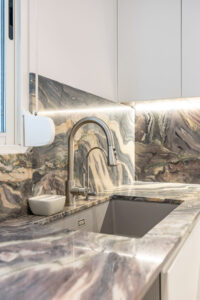
Natural stone is one of the most durable and eco-friendly materials available. Its resistance, recyclability, and timeless aesthetic make it an excellent choice for flooring, façades, and countertops.
In interior design projects in Valencia, stone adds freshness and a direct connection to nature.
8. Bioplastics and biopolymers: sustainable innovation
Bioplastics made from plant fibres, algae, or organic waste are emerging as a responsible alternative to conventional plastics.
They are used in furniture, cladding, and decorative elements, providing lightness and contemporary design with a very low environmental impact.
9. Recycled steel and aluminium: circularity at its finest
Recycled metals, especially recycled steel and recycled aluminium, significantly reduce energy consumption compared to virgin materials.
They are ideal for joinery, lightweight structures, and interior design details with a modern and industrial style. Their use is becoming increasingly common in sustainable architecture projects.
10. Recycled glass: aesthetics and sustainability
Recycled glass can be reused infinitely without losing quality, making it one of the most efficient materials within circular design.
Its use in countertops, cladding, panels, or decorative pieces adds a contemporary touch and a unique aesthetic.

Conclusion: towards more responsible architecture
Choosing sustainable materials for construction and interior design not only reduces environmental impact but also improves energy efficiency, air quality, and the well-being of those who inhabit the spaces.
At BTTEstudio, we believe in an architecture where beauty and sustainability go hand in hand, combining timeless design, innovation, and environmental responsibility.
Environmental certifications such as those from the Ministry for Ecological Transition guarantee the sustainability of materials.
You may also be interested in: local materials and bringing nature indoors.