Architecture 2026 Aesthetic Colour and Form
The architecture 2026 aesthetic will not only revolve around sustainability and smart technology. The design of buildings will also change considerably. From façades to roofs, through colours and materials, the architecture 2026 aesthetic will combine creativity with functionality. What is the result? Buildings that will not only be efficient and sustainable but also attractive, modern, and inspiring.

Colours: earth tones and striking accents
Earth tones dominate the urban landscape: sand colour, terracotta, moss green, and wood brown are seen everywhere. These colours perfectly combine with sustainable materials and provide a warm and tranquil appearance. Accent colours, such as deep blue, saffron, or rust red, are used to highlight windows, entrances, or façade panels. Matte finishes enhance the natural look of the materials and lend a modern and refined air. Some buildings combine, for example, a moss green façade with terracotta window details, creating a striking and natural contrast.
Patterns on façades: nature in the city
A striking trend is façades with natural patterns. Architects incorporate wood grains, leaves, wavy lines, or sandy structures into the façades, adding depth and movement to the buildings. Vertical gardens and green walls are on the rise, giving the city a fresh and lively appearance. The interplay of light and shadow changes the character of a building throughout the day, giving it a dynamic, almost living presence in the environment.
Roofs: green, wavy, and energy-efficient
In 2026, roofs will be much more than a simple covering; they will be an important design element. Green roofs and rooftop gardens provide additional space, water collection, and insulation. Wavy or slightly sloped roofs give an organic and natural appearance, making buildings seem less angular and rigid. Often, roofs are combined with solar panels or other energy solutions, allowing them to contribute both aesthetically and functionally to a sustainable city.
Fluid shapes and transparency
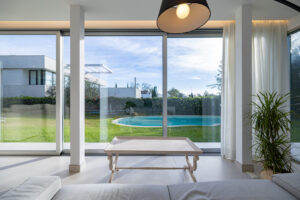
Buildings are less rectangular and take on organic and fluid shapes that resemble natural lines. Glass and semi-transparent materials create a seamless transition between the interior and the exterior. Floating volumes, open passages, and large windows provide a sense of brightness and spaciousness, connecting residents with their surroundings. This not only makes a building appear larger and more open but also creates a natural interaction between the city and the architecture.
Interiors and technology
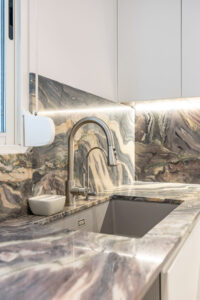
Inside, open and multifunctional spaces are popular, often featuring natural materials such as wood, stone, and clay. Large windows provide ample natural light and connect the interior with the exterior. Natural patterns and textures, such as wooden floors with visible grains or subtle stone structures, create unity and make the building pleasant for living, working, or relaxing.
Smart technology is visibly integrated. Movable blinds, dynamic shutters, and interactive façade panels demonstrate that a building is energy-efficient and innovative while combining functionality and aesthetics.
The city of tomorrow
Architecture in 2026 combines aesthetics, sustainability, and smart solutions. Façades play with patterns and colours, roofs are green and wavy, interiors are bright and natural, and technology is visibly integrated. Buildings invite a slower pace, to experience and discover. They connect people, nature, and technology, contributing to a healthy and inspiring city.
In summary: the architecture of 2026 is intelligent, sustainable, flexible, and beautiful. It demonstrates that modern cities can be practical and human, a perfect balance between functionality, beauty, and responsibility.
Architectural trends are documented in publications from the CTAV and other professional bodies.