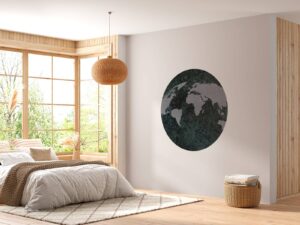
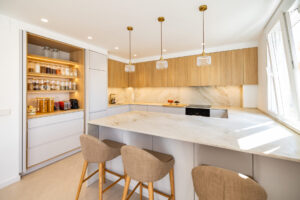
Natural stone in interiors is experiencing a moment of splendour. In 2026, this material is undergoing a significant resurgence in interior design. It is no longer limited to floors or exteriors; it has become a leading material in walls, countertops, bathrooms, and transitional spaces within residential and commercial projects. This revival responds to a deeper demand for materials that connect with the sensory experience, durability, and authenticity of the space, beyond superficial aesthetics.
Stone as a material with presence and personality
Natural stone, such as travertine, limestone, or marble, provides a sense of solidity, permanence, and calm that other materials cannot match. In 2026, its use in interiors is linked to a global trend where spaces seek sensory comfort and long-term durability, making stone an ideal choice for dwellings, public spaces, or commercial premises.
Unlike flat or synthetic surfaces, natural stone has veining, texture, and variations that offer visual richness and connect with the natural context of the project. This transversal quality means that stone not only has decorative value but also functions as a structuring element of the space, providing identity and presence without the need for additional elements.
Current and versatile applications
One of the reasons natural stone is gaining popularity is its versatility. It is not simply limited to floors; today it is used as a finish in areas that were traditionally considered “impossible” for stone:
Accent walls and large-format panels, which transform spatial perception and reinforce a sober and durable aesthetic.
Countertops and splashbacks in kitchens, where its robustness and thermal resistance become functional advantages as well as aesthetic ones.
Bathrooms and showers, replacing conventional floors and ceramics with seamless surfaces that generate calm and serenity.
Fireplaces and interior sculptural elements, which stand out for their materiality and presence.
Natural stone creates spaces that feel “lived in,” that age gracefully and tell a story. In a context where architecture and interior design seek to connect with the user through materiality, stone presents itself as an option that crosses the aesthetic, functional, and emotional realms.
Natural stone and sustainability
One of the reasons this material is regaining ground is its intrinsic sustainability. Unlike highly processed materials, natural stone has a lower environmental impact if selected with responsible criteria, especially if sourced from certified quarries, with traceability and guarantees of ethical extraction.
Moreover, its superior durability means that it requires less maintenance and replacement, resulting in a longer life cycle and lower resource consumption. For many current clients, both residential and commercial, this combination of aesthetics, functionality, and sustainability is a decisive factor when choosing materials for their projects.
Integration in architecture and interior design projects
From the perspective of an architecture studio in Valencia, integrating natural stone into a project requires a careful reading of the light, colours, and surrounding textures. Stone can be warm or cool, refined or rustic, depending on the finish and origin. The aim is not to impose but to enrich the narrative of the project:
Assess how natural and artificial light interacts with the surface to enhance veining and textures.
Combine it with complementary materials such as wood, aged metal, or natural textiles to balance sensations.
Use it in areas that establish clear spatial hierarchies, such as entrances, living areas, or focal installations.
This strategic approach avoids superficial uses and ensures that stone functions as part of the architectural and sensory system of the space.
Natural stone: investment and long-term value
Another important dimension of using natural stone is its impact on the value of the space. A quality stone finish not only elevates the aesthetic perception of the project but also increases its long-term market value. Properties with highly durable and present materials tend to perform better in competitive markets and attract buyers or users who value constructive quality and conscious design.
Conclusion
In 2026, natural stone in interiors has ceased to be a traditional option to become a tool for modern, sensory, and technical design. Its ability to create spaces with character, durability, and emotional connection positions it as one of the most relevant materials for residential and commercial projects.
By integrating it consciously into projects, design not only responds to aesthetic trends but also to functional, sustainable, and sensory criteria, creating interiors that endure and feel authentic.
If you are considering incorporating materials with real significance into your next project, be it a dwelling, refurbishment, or commercial space, natural stone may be the key to achieving memorable, efficient spaces with their own identity.
According to the Building Technical Code, natural materials contribute to the energy efficiency of buildings.
You may also be interested in: local materials and ecological materials.